- January 27, 2025
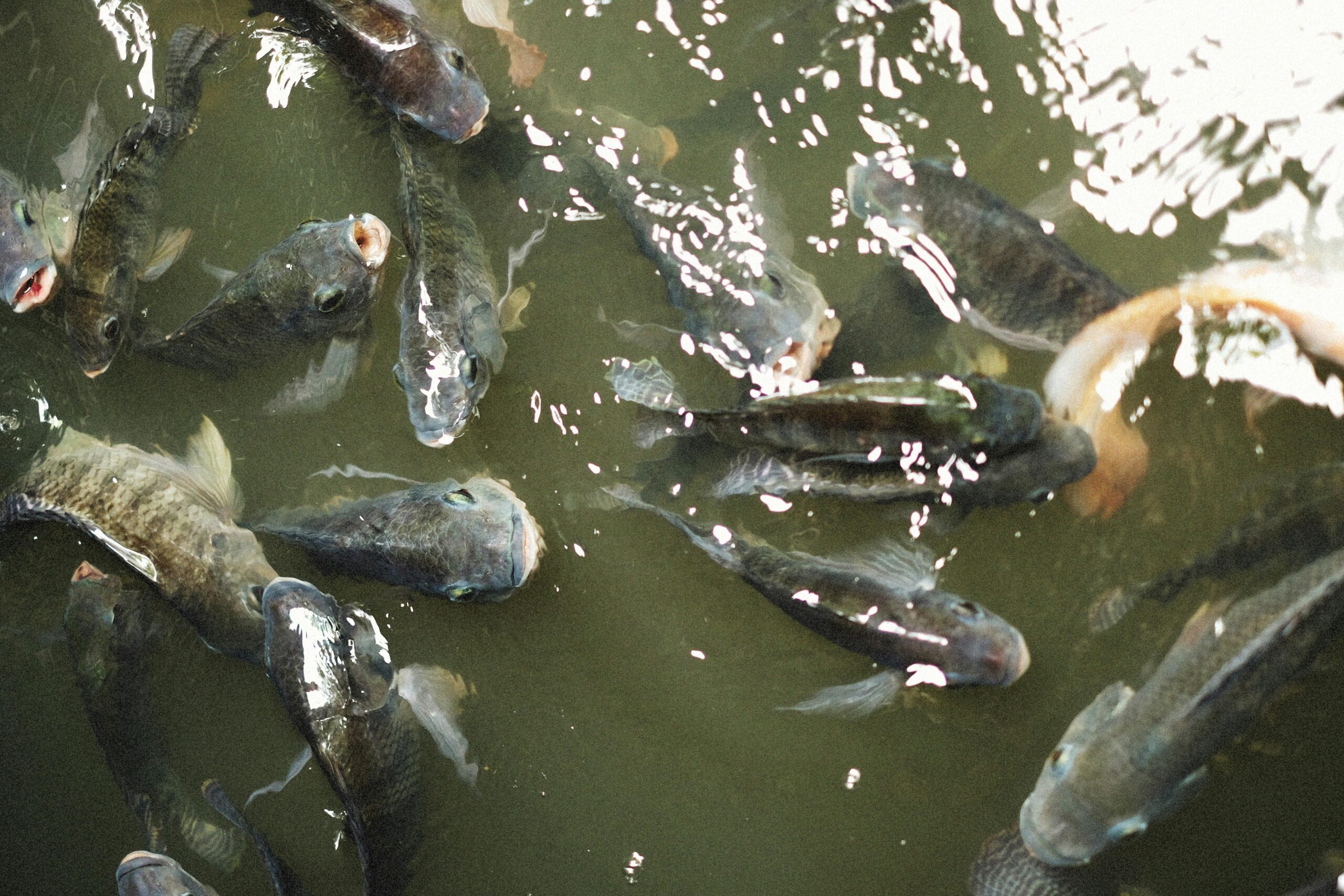
Uganda’s lakes, rivers and wetlands are rich with life, home to diverse aquatic animals such as fish, amphibians, turtles and crustaceans. Yet, their lives often go unnoticed and their suffering is ignored. These animals are among the most vulnerable in our ecosystem but they receive the least protection.
Our Marine Welfare Program seeks to correct this injustice. Through research, policy advocacy and public education, we work to ensure that aquatic animals are treated with dignity, protected by law and respected as part of our shared environment.
The Hidden Suffering in Our Waters
Despite their ability to feel pain and experience distress, aquatic animals remain largely invisible in Uganda’s animal welfare efforts. Most are killed without any consideration for their suffering. Others are subjected to cruel conditions in fish farms or captured using painful and destructive methods.
Threats to Aquatic Life
- Plastic and chemical waste dumped into lakes and rivers is poisoning aquatic animals and damaging breeding grounds.
- Overfishing and illegal gear such as small-mesh nets trap not only adult fish but also young ones and non-target species.
- Fish farming (aquaculture) is expanding rapidly, often without regulations protecting animal welfare.
- Climate change is altering aquatic ecosystems, causing oxygen depletion and habitat loss.
“There’s nothing more beautiful than the way the ocean refuses to stop kissing the shoreline, no matter how many times it’s sent away.”— Sarah Kay
Making Protection Possible
Our primary focus is to bring aquatic animal welfare into national policy discussions and legal frameworks. Without legal recognition of their sentience and the protection of their rights, aquatic animals will continue to suffer in silence.
Key Policy Goals
Legal Recognition of Sentience
We are advocating for the inclusion of aquatic animals especially fish and
amphibians in Uganda’s animal protection laws. This is a necessary first step to
acknowledge that they can feel pain and must not be subjected to cruelty.
Welfare Standards for Fish Farming
As aquaculture becomes more common in Uganda, we are calling for clear legal
standards to prevent abuse and suffering
- Setting limits on the number of fish per tank or cage
- Requiring clean, oxygen-rich water and space to move
- Banning inhumane slaughter methods like suffocation, freezing or gutting while alive
- Enforcing proper training for workers on humane handling and transport
Regulating Wild Capture and Fishing Practices
We are pushing for reforms in fisheries management including:
- Bans on illegal and destructive fishing gear
- Guidelines that prioritize both conservation and welfare
- Penalties for practices that cause unnecessary suffering such as dragging fish on dry surfaces or killing them without stunning
Research That Drives Change
In Uganda, there is little public awareness or scientific focus on the suffering of aquatic animals. Our program seeks to change that by investing in research that:
- Documents inhumane practices in fish farming and wild capture
- Demonstrates the cognitive and emotional lives of aquatic animals
- Offers practical, humane alternatives for slaughter and handling
- Informs policymakers, veterinarians and fisheries managers
Our research forms the foundation of our advocacy and allows us to speak credibly on behalf of these voiceless animals.
Community Engagement and Education
Changing hearts is just as important as changing laws. That’s why we work closely with:
- Fishing communities to raise awareness about compassionate practices and sustainable methods
- Fish farmers to offer training on humane care and slaughter techniques
- Schools to teach young people that fish and other aquatic animals are not just food but sentient beings that deserve respect
Why It Matters
Protecting aquatic animals is not only about animal welfare, it’s also about:
- Supporting ethical and sustainable livelihoods for communities that depend on fishing
- Preserving biodiversity and preventing the collapse of ecosystems
- Protecting public health as cleaner waters mean safer food and environments
- Respecting the interconnectedness of all life both above and below water
For too long, aquatic animals have been left out of the conversation. Through this program, we aim to ensure that Uganda’s waters are not just full of life but full of dignity, protection and compassion.
